Da Nang has a tropical climate with two clear seasons. A dry, sunny stretch runs from roughly February to July or August, while a wetter, cooler stretch runs from about August or September to December. The heaviest rain and occasional typhoons usually arrive in October and November. For most travellers, the sweet spot is February to May — warm days, calm seas and the lowest rainfall of the year. This guide breaks Da Nang down month by month, with real temperature, rainfall and sea-temperature figures, so you can match your trip to the weather you actually want.
The best overall time to visit Da Nang is February to May. Rainfall is at its lowest, humidity is easing, the sea is calm and the beaches are at their best. Beyond that headline, the "best" month depends on what you came for:
June to August stay dry and sunny but hot, with peak daytime highs around 33–34°C (91–93°F) — excellent for the beach, harder for midday sightseeing, and busy with domestic holidaymakers. From September the rains build, peaking in October and November, which is also the typhoon window on Vietnam's central coast. Timing shifts a little each year, so treat these as patterns, not guarantees.
Chat with us on WhatsApp: +84 936 336 389 and tell us your dates — our local team will tell you honestly what to expect and build the trip around it.
The table below shows the typical pattern across the year — daytime highs, approximate rainfall, sea temperature and the general feel of each month. Figures are long-term averages and vary from year to year.
| Month | Daytime high | Rainfall (approx.) | Sea temp. | Season & feel |
|---|---|---|---|---|
| January | ~25°C (77°F) | Moderate, easing | ~23°C | Coolest month; tail of the wet season, occasional showers |
| February | ~26°C (79°F) | Lowest of the year | ~23°C | Dry season begins; pleasant, low humidity |
| March | ~28°C (82°F) | Low | ~24°C | Warm, dry; excellent for sightseeing and beaches |
| April | ~30°C (86°F) | Low (~90 mm) | ~25°C | Warm and sunny; one of the driest months |
| May | ~31°C (88°F) | Low–moderate | ~27–28°C | Hot, sunny; sea warm and calm |
| June | ~33°C (91°F) | Low | ~29°C | Hottest stretch begins; peak beach season |
| July | ~34°C (93°F) | Low–moderate | ~29°C | Hot and sunny; busy summer period |
| August | ~33°C (91°F) | Rising | ~29°C | Still warm; first signs of the wet season |
| September | ~31°C (88°F) | Moderate–high | ~28°C | Rains build; humid, fewer crowds |
| October | ~29°C (84°F) | High (~450–490 mm) | ~27°C | Wettest stretch begins; typhoon window |
| November | ~27°C (81°F) | Highest of the year | ~26°C | Wettest month; atmospheric but wet |
| December | ~25°C (77°F) | Moderate–high | ~24°C | Cooler, damp; rain easing towards month end |
A quick way to read the year: February–April is dry and comfortable, May–August is hot and beach-focused, September–December is the wet season with October and November the peak. Da Nang's annual rainfall is high — commonly cited around 2,000–2,600 mm depending on the source — but most of it falls in just three or four months.
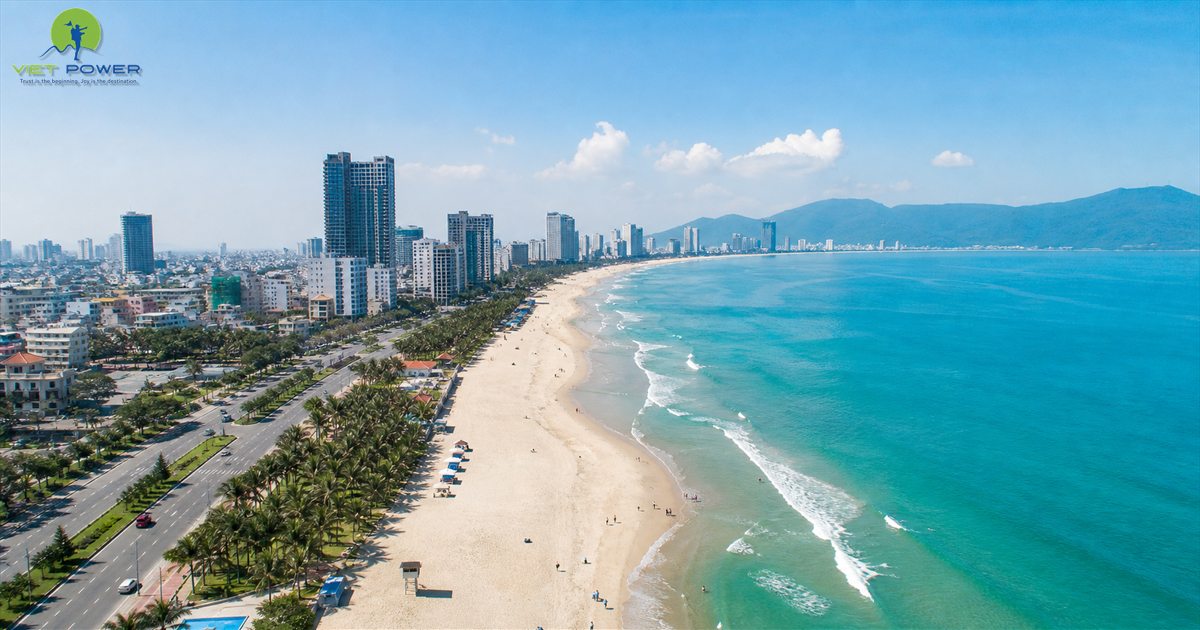
The dry season is when Da Nang is at its best for a beach-and-sightseeing trip. Rainfall stays low, skies are mostly clear and the sea is calm enough for swimming and boat trips to the Cham Islands. It splits neatly into two moods.
Early dry season (February–April) is the comfortable window. Days are warm rather than hot, humidity is low and the light is excellent for photography — ideal for the Marble Mountains, Son Tra Peninsula and the Golden Bridge at Ba Na Hills. February is the driest month of the year, and it often overlaps with Tet (Lunar New Year), when demand and prices spike, so book flights and hotels four to six weeks ahead.
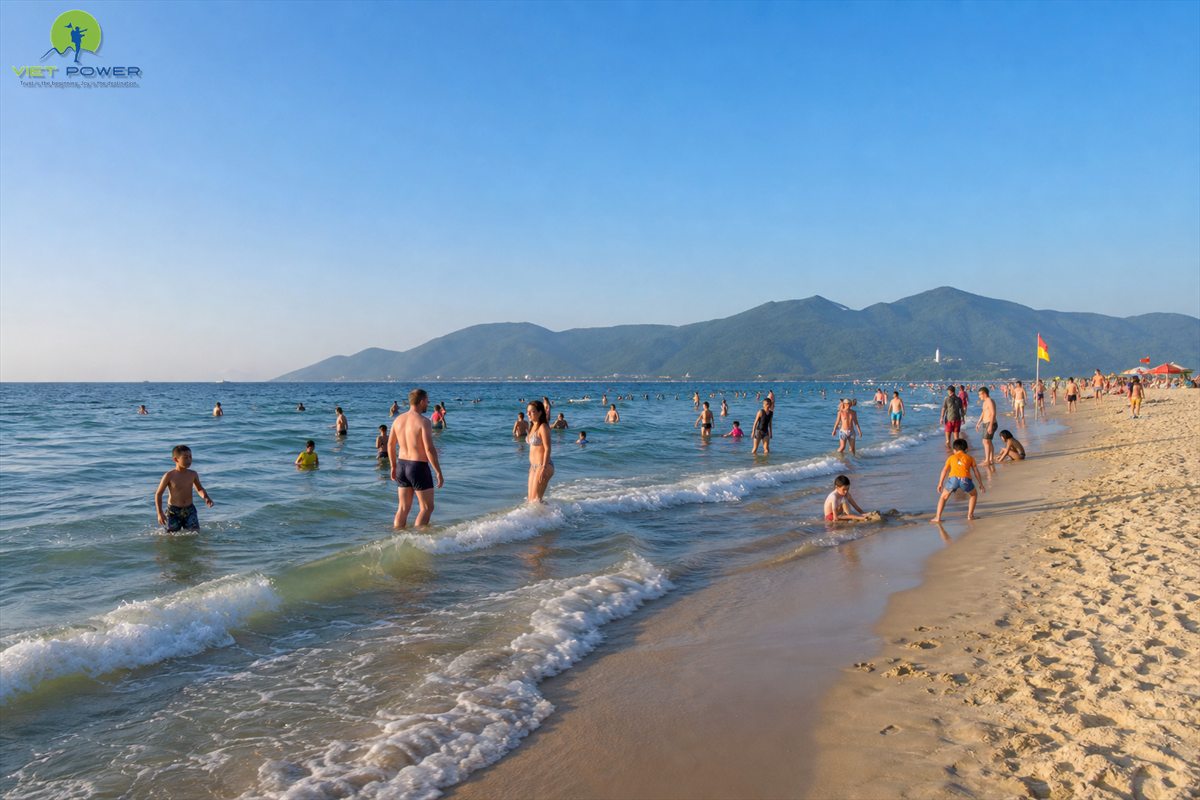
Peak summer (May–July/August) brings the heat, with highs of 33–34°C and strong midday sun. The sea is at its warmest, so this is prime beach time — but plan outdoor sightseeing for the morning and late afternoon and keep the middle of the day for the pool, the beach or an air-conditioned attraction. This is also when Vietnamese families holiday, so beaches and headline sights are livelier.
From late summer the rains arrive, building to a peak in October and November. This is also typhoon season on the central coast, so if you travel then, keep an eye on forecasts and build flexibility into your plans. It is not a write-off, though — understanding how the rain behaves changes everything.
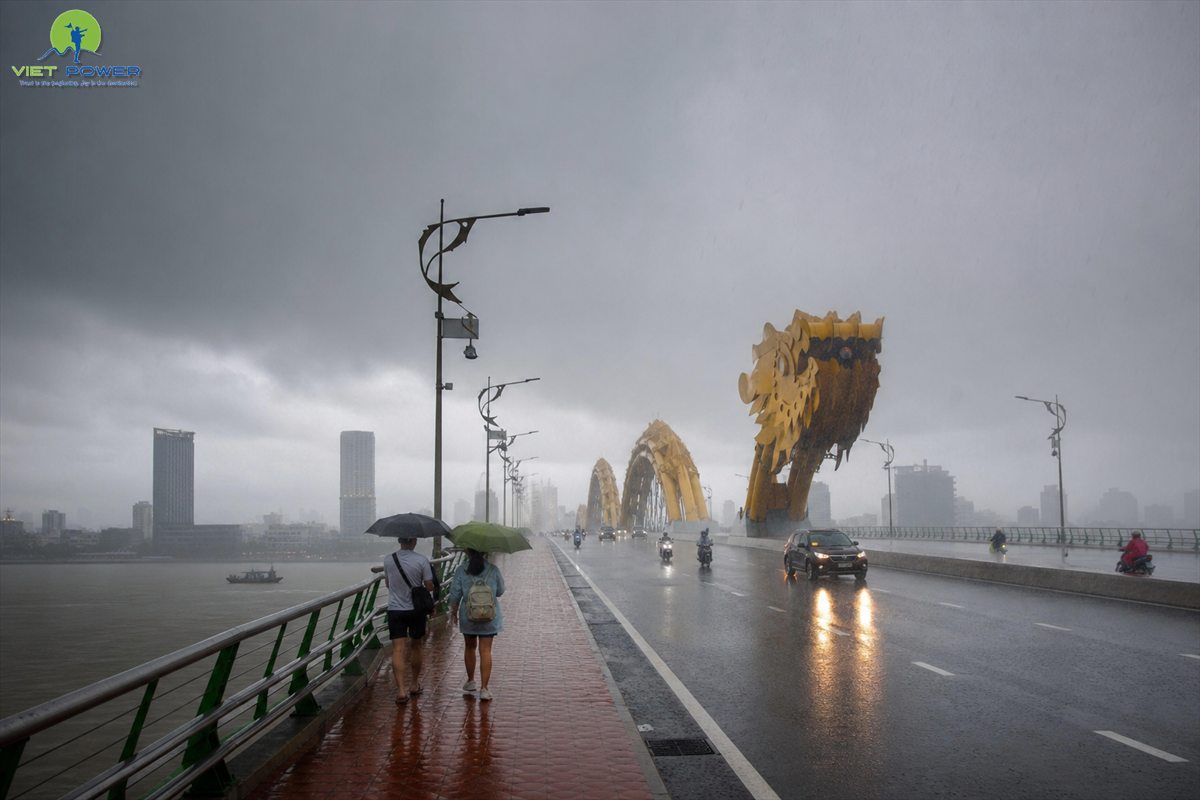
Rain here often comes in heavy bursts — a few intense hours, then breaks of dry or bright weather — rather than a steady all-day drizzle. Between showers you can still enjoy the city. The trade-offs are real, but so are the rewards: fewer crowds, greener landscapes and noticeably lower prices, sometimes up to 30% cheaper on flights and hotels booked ahead. October and November carry the highest flooding risk, so those are the months to watch most closely. By December the rain eases and the month often dries out towards its end, though evenings turn cool and damp.
Match the month to your priority and Da Nang works almost year-round. The quick guide below turns the climate into a decision.
| You are travelling for… | Best window | Why |
|---|---|---|
| Beaches & swimming | April–July | Warm, calm sea (~27–29°C); long sunny days |
| Sightseeing & photos | February–March | Mild temperatures, low humidity, clear light |
| Families & older travellers | February–May | Manageable heat, low disruption risk |
| Value & fewer crowds | September–early December | Low season pricing; plan around the rain |
| Culture & food focus | Year-round | Indoor experiences hold up even in the wet months |
Travellers from warmer climates — including guests from the Middle East and Malaysia — often find the summer heat familiar and enjoy the beaches at their liveliest, while visitors from Australia, the US and the UK tend to prefer the milder February-to-May window. There is no single right answer; there is only the right month for your trip.
Yes — Da Nang, Hoi An and Hue share the same central-coast weather pattern, so a trip built around one usually suits all three. Hoi An sits about 30 minutes south of Da Nang and follows the same dry and wet seasons, though its low-lying old town is more prone to flooding in October and November. Hue, just north over the Hai Van Pass, tends to be a touch wetter and cooler overall.
The practical takeaway: if you are combining destinations, plan the whole route around the February-to-May window for the smoothest conditions, and treat October–November with extra care if Hoi An is on the list. Our Central Vietnam tours connect all three, and we tailor the pace to the season.
Pack for the season, but assume high humidity all year. Lightweight, breathable fabrics are your friend in every month.
The weather rewards a little planning, not avoidance. A few practical rules make any month work:
Da Nang works year-round if you match your plans to the season — beaches and islands in the dry months, culture, food and comfortable indoor experiences when it rains. If you'd like a Central Vietnam itinerary built around the best conditions for your dates, our local team can help. See our Da Nang tours or beach tours, and tell us your dates.
Chat with us on WhatsApp: +84 936 336 389 to plan a private trip built around your travel dates and the weather you want.
For a closer look at specific months, see our detailed guides to Da Nang in February, Da Nang in March and Da Nang in August, or use the linked months in the table above for January, May, June, July, October and November.
February to May offers the best balance: low rainfall, warm days, calm seas and easing humidity. February and March are most comfortable for sightseeing, while April and May are ideal for the beach.
The wet season runs from around August or September to December, with the heaviest rain in October and November. These two months are also the main typhoon window on the central coast, and carry the highest flooding risk.
June and July are the hottest months, with daytime highs around 33–34°C (91–93°F) and strong midday sun. It is comfortable at the beach but hot for midday sightseeing, so plan shaded or indoor activities in the middle of the day.
The sea is warmest from roughly June to September, at around 28–29°C. It stays swimmable for much of the year but is coolest around February and March, at about 23°C.
Yes. Rain often falls in short heavy bursts rather than all day, and you'll find fewer crowds and lower prices. Keep the itinerary flexible, watch forecasts in October and November, and line up indoor options as backups.
All three share the same central-coast seasons, so a trip planned around one suits all three. Hoi An floods more easily in October and November, and Hue is generally a little wetter and cooler than Da Nang.
Vietpower Travel — a licensed international tour operator since 2009, guiding international travellers across Vietnam's coast, culture and cuisine. Trust is beginning, joy is the destination.
Please kindly send us your ideas about the tours: destinations, attractions, your group, hotel class... we will get back to you with details & best offers quickly. Surely, you will feel satisfactory!
 |
 |
 |
 |
 |
 |

.jpg) Customize Your Trip
Customize Your Trip

 Vietnam
 Thailand
 Laos
Laos Indonesia
 Cambodia
 Myanmar
 Indochina Tours