Dak Nong in August is a refreshing Central Highlands escape where rainy-season landscapes become greener, waterfalls flow stronger, and Ta Dung Lake reaches one of its most scenic moments of the year. From the peaceful water scenery of Ta Dung Lake to Krong No volcanic caves, Dray Sap waterfall area, tropical rainforest biodiversity, and local M’Nong culture, this journey is ideal for travelers who love nature, soft adventure, and authentic highland experiences.
With Vietpower Travel, your Dak Nong journey is planned around real August conditions: rainy weather, slippery basalt terrain, safe trekking routes, local guide support, and flexible Vietnam Tours tailored for families, private groups, and adventure travelers.
Dak Nong in August is a great choice for travelers who enjoy green mountains, full lakes, strong waterfalls, and cool highland air. August is part of the rainy season in Dak Nong, which lasts from May to October, with heavier rain around July, August, and September. Thanks to this rainfall, Ta Dung Lake becomes fuller, waterfalls flow stronger, and forests across the Central Highlands turn fresh and green.
The Central Highlands rain season makes Dak Nong look greener and more alive. After rain, the air feels cooler, the hills look fresher, and light mist often appears in the early morning.
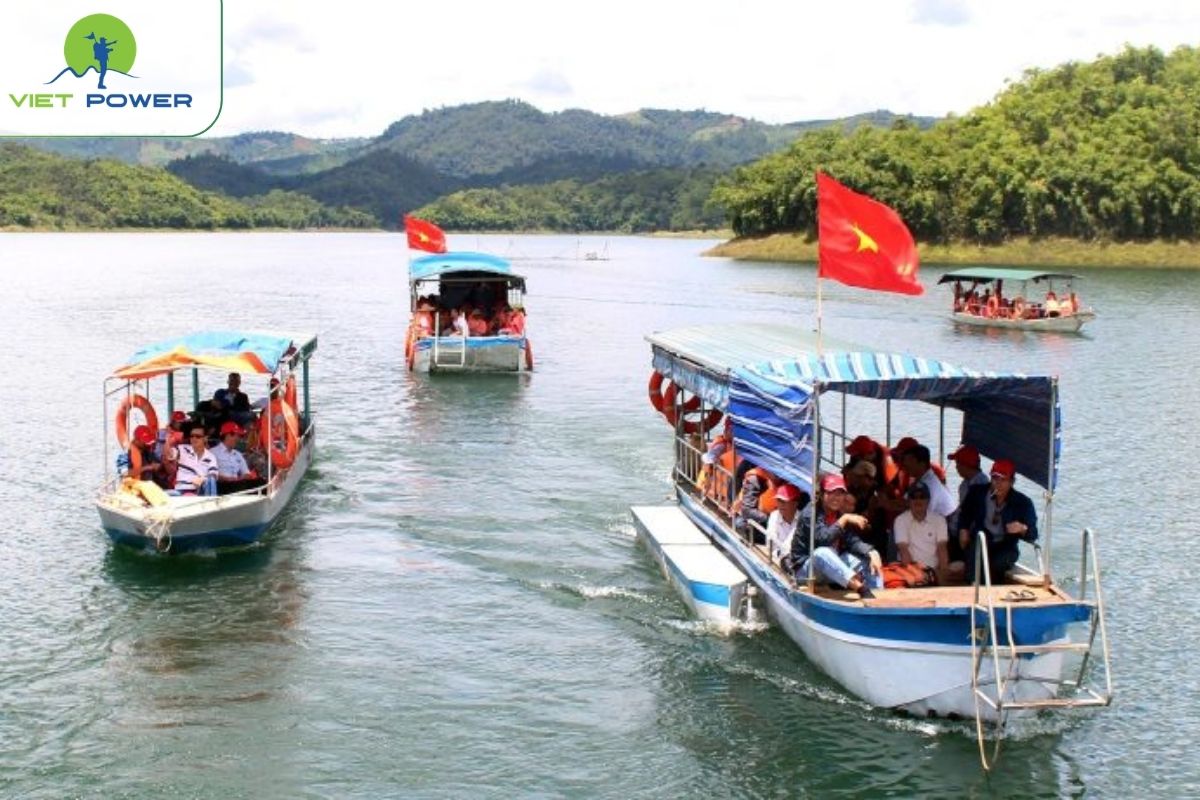
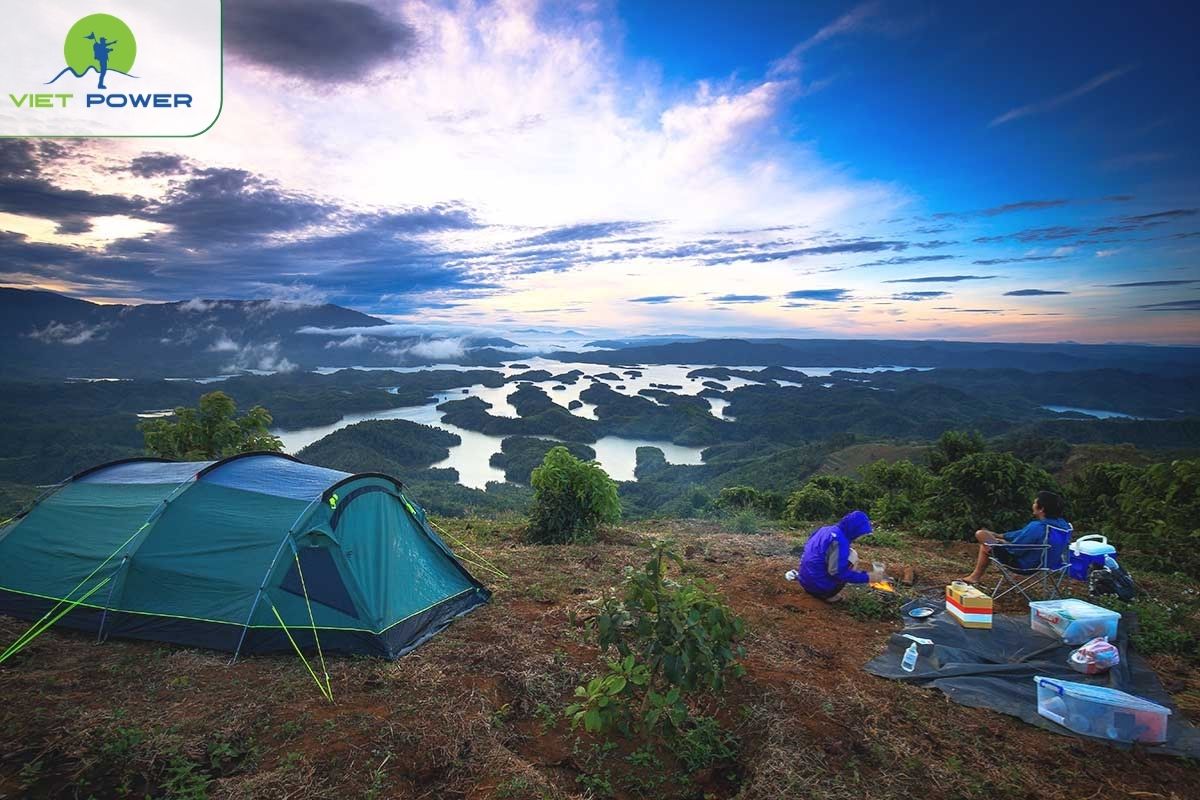
Ta Dung Lake is especially beautiful in August. The water level rises, the small islands become greener, and boat trips on the lake feel more scenic. This is a great time for viewpoint photos, lakeside camping, and quiet nature experiences.
Waterfalls such as Dray Sap, Dray Nur, Gia Long, and Lieng Nung also become more powerful after rain. The stronger water flow, white mist, wet basalt rocks, and green forest backdrop create the best rainy-season scenery for nature lovers and photographers.
August is beautiful, but travelers need proper preparation. Rain can arrive suddenly, especially in the afternoon or evening, so outdoor activities should start early.
Wet red soil, mossy paths, and slippery basalt rocks can make waterfall trails and cave areas harder to walk on. Around Dray Sap waterfall, visitors should avoid climbing wet rocks or standing too close to strong water flow.
Routes to Krong No volcanic caves and Chu Bluk cave can also be harder after rain. Travelers should go with a local guide, wear trekking shoes with strong grip, and bring a headlamp, rain jacket, waterproof bag, insect repellent, and basic medicine.
For safe guided adventure trekking tours, August is still a rewarding month — as long as the trip is planned around the weather, terrain, and local safety conditions.
Where to Travel in August Vietnam is a question for travelers who love lush green landscapes, rainy season beauty, local festivals, and off-the-beaten-path experiences. From Tuyen Quang’s lantern culture and Na Hang Lake to Dak Nong waterfalls, An Giang river life, Dong Thap lotus wetlands, and Binh Phuoc forest escapes, August reveals a softer and more authentic side of Vietnam.
Dak Nong in August is best explored through lakes, waterfalls, volcanic caves, forests, tea hills, and cultural sites. Rain makes the scenery greener and more dramatic, but travelers should check road conditions, ticket updates, and local access rules before departure.
Ta Dung Lake should be the first stop in any Dak Nong in August itinerary. From August to December, the lake enters its water-rich season. The water level rises, the surface looks clearer, and the small islands turn greener after rain. This is why the answer to “Is Ta Dung Lake beautiful in August?” is yes.
The best experiences here include Ta Dung Lake tours, viewpoint photography, sunrise watching, sunset watching, soft trekking around Ta Dung Nature Reserve, and a scenic boat trip on Ta Dung Lake. Lakeside camping is also suitable if travelers choose a managed campsite, set up before late afternoon, and prepare waterproof gear.
Dak Nong UNESCO Geopark brings together volcanic landscapes, ancient lava formations, forest ecosystems, and local culture. This makes Dak Nong different from many classic Vietnam Tourist Attractions, especially for travelers who enjoy geology, biodiversity, and ethnic heritage in one route.
In August, the geopark looks greener after rain. Travelers can explore basalt landscapes, learn about the basaltic volcanic cave system, visit cultural stops, and join responsible tourism activities. Visitors should avoid littering, damaging lava formations, or entering restricted cave areas without local support.
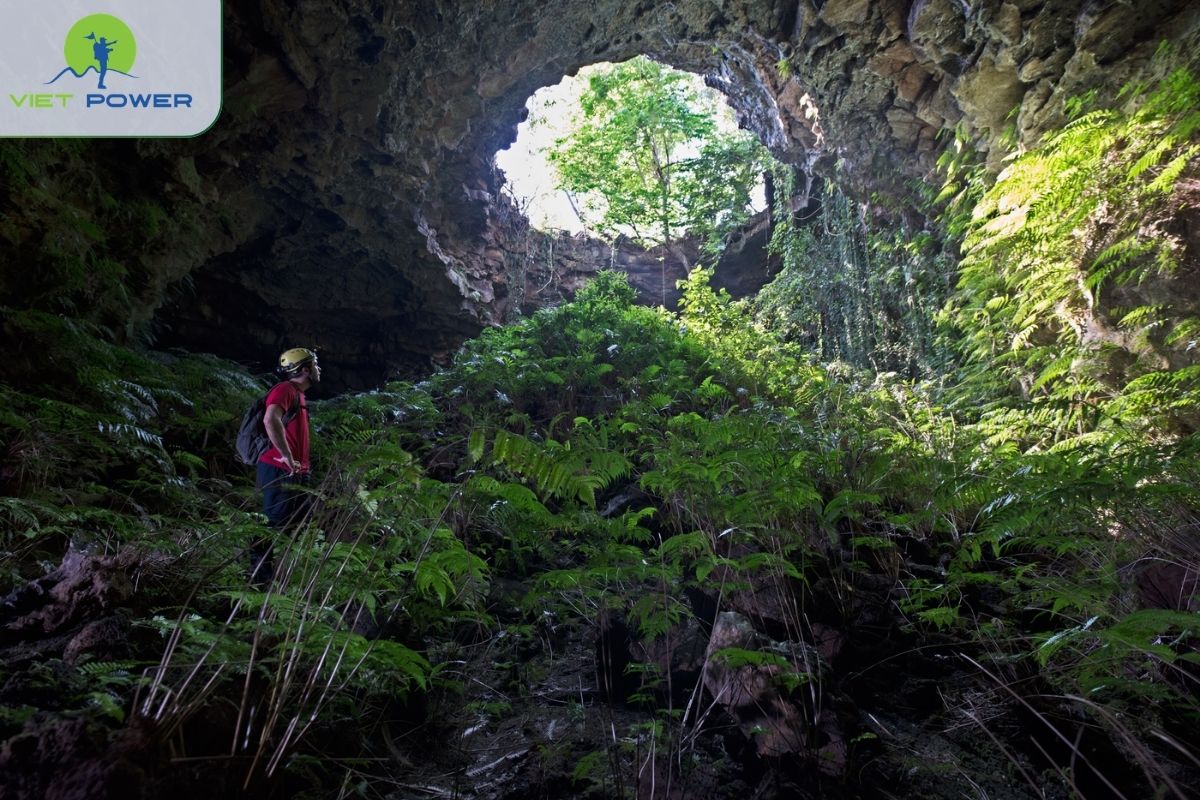
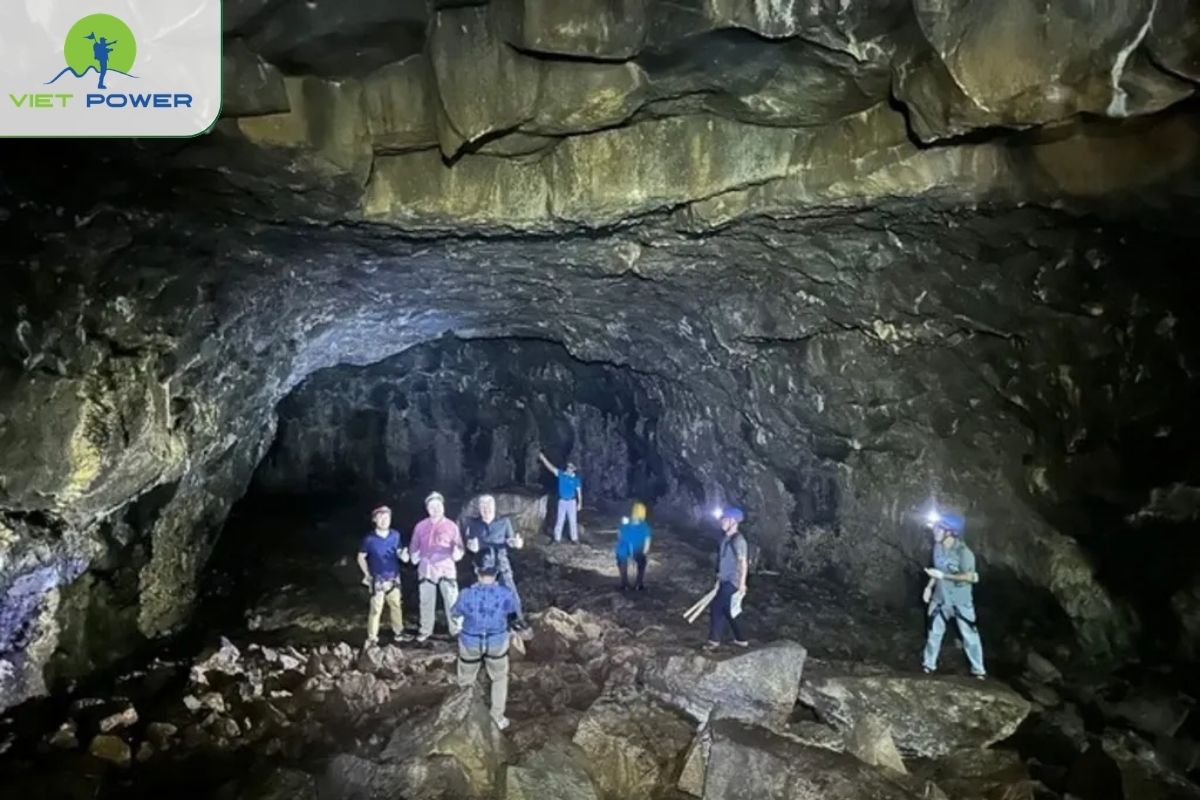
The Krong No volcanic caves, also known as the Chu Bluk cave system, are ideal for active travelers. Exploring Chu Bluk cave often involves walking through farmland tracks, basalt terrain, cave entrances, and dark volcanic spaces.
In August, travelers should go with a local guide. Wet basalt surfaces can be slippery, and some paths may be harder to identify after rain. Basic gear should include trekking shoes, helmet, headlamp, dry bag, long-sleeve clothing, and drinking water.
C8 is easier to access and has natural light. C9 is darker, has bats, and may require abseiling. C7 carries higher risk and should only be entered with trained guides or a professional tour unit.
Explore more posts within this topic and uncover more of what Vietnam has to offer:
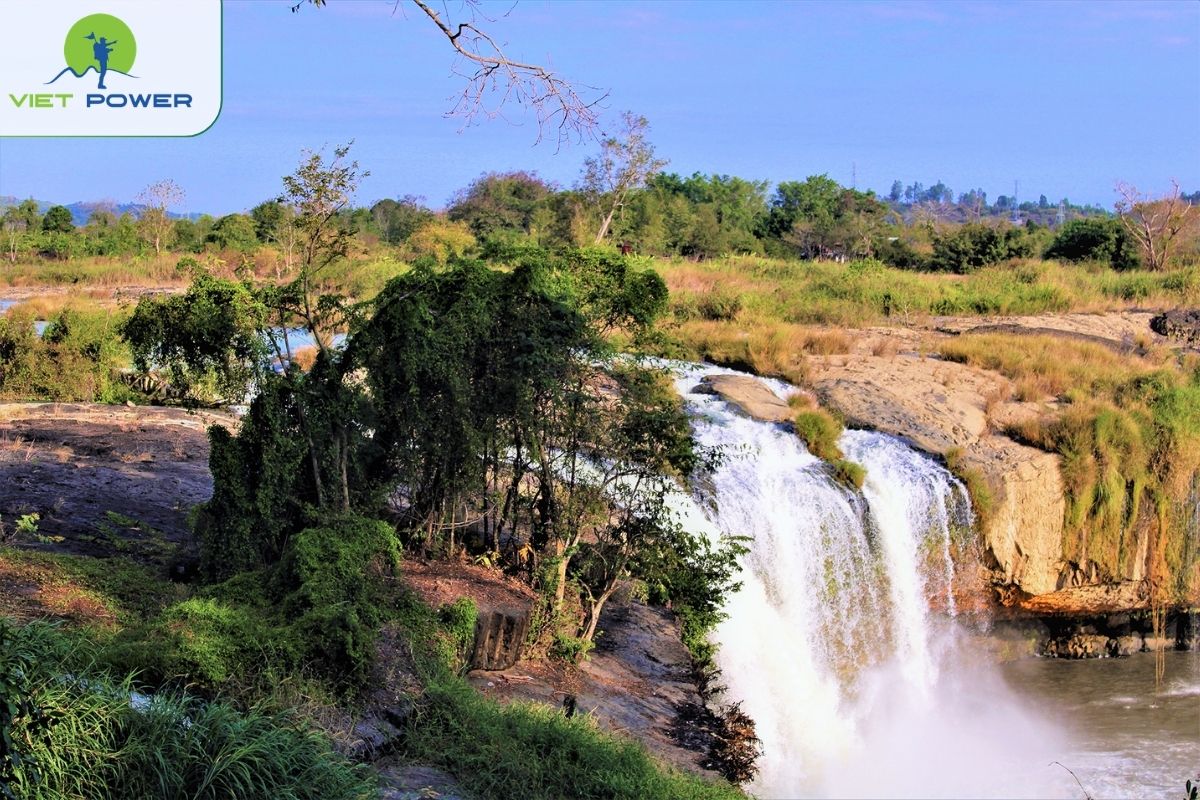
The Dray Sap waterfall area becomes more powerful in August. After rain, the water flow is stronger, the forest backdrop looks greener, and the white spray creates great scenery for photography.
For the question “Is the road to Dray Sap waterfall slippery in August?”, the answer is yes. The vehicle road may be wet after rain, but the larger risk is near the walking path and waterfall base. Wet basalt rocks, moss, and waterfall spray can create slippery basalt stones. Travelers should walk slowly, avoid climbing wet rocks, and keep distance from strong water flow.
Camping by the waterfall should only be arranged in safe, permitted, and managed areas. In August, waterproof gear and a weather check are needed before staying overnight.
Travelers who want a fuller waterfall route can combine Dray Sap with Dray Nur waterfall and Gia Long waterfall. This route is suitable for photography, short nature walks, and guided exploration.
In August, the scenery is more dramatic, but trails can be wet. Travelers should allow more time for walking and avoid rushing between waterfall viewpoints.
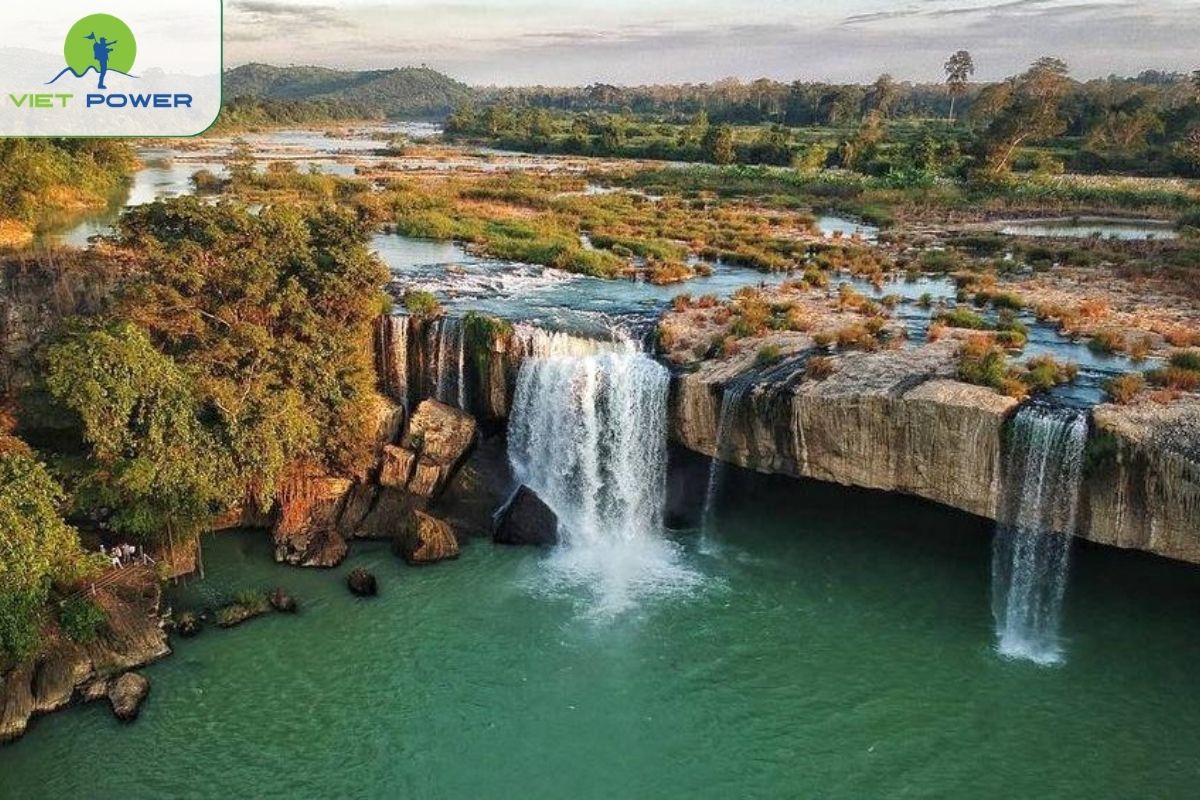
Lieng Nung waterfall is a good choice for travelers looking for Gia Nghia attractions and a short Dak Nong nature escape. The waterfall is about 30 meters high and flows over volcanic rock scenery, creating a wild and photogenic setting.
In August, the waterfall can look stronger after rain. Visitors should be careful on wet paths and rocks, especially when walking down toward the waterfall base.
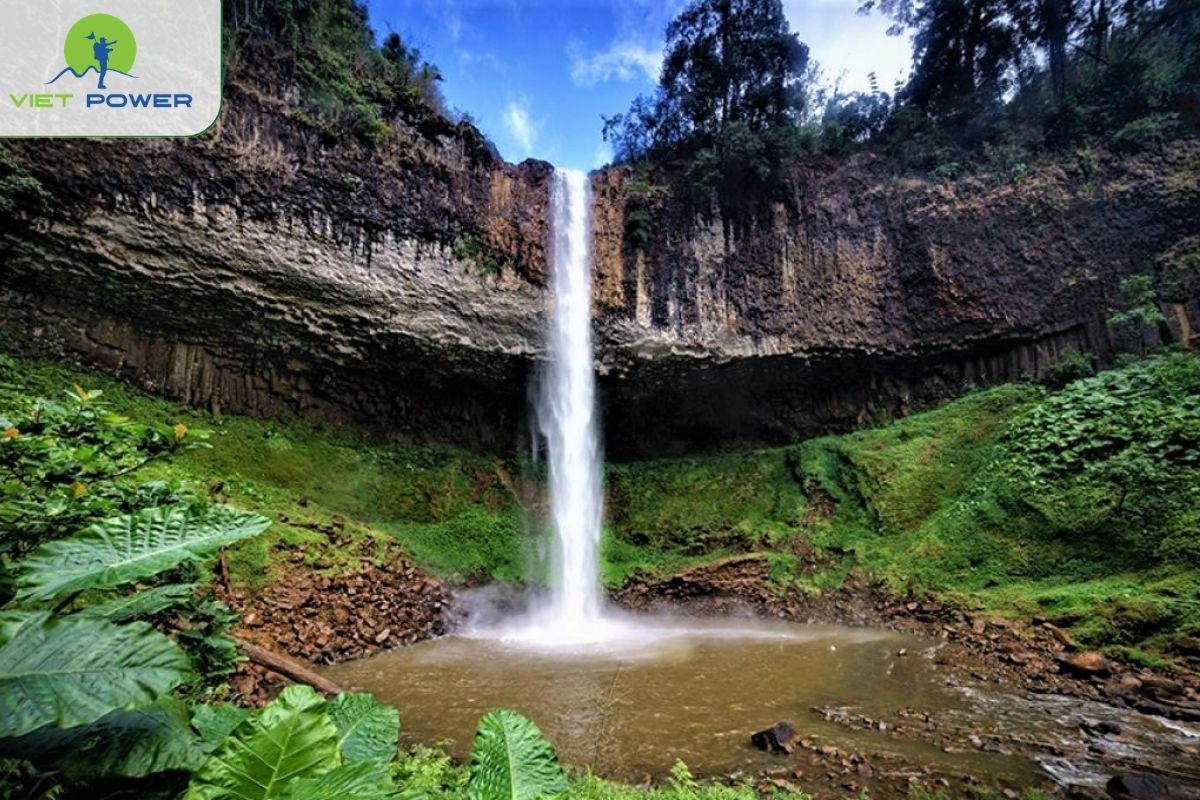
Nam Nung Nature Reserve is suitable for forest trekking, nature photography, and travelers interested in tropical rainforest biodiversity. August gives the forest a fresh green look, with shaded trails, wet vegetation, and cooler air after rain.
Since paths can be muddy or slippery, travelers should go with local guidance, wear proper trekking shoes, and avoid entering deep forest routes alone.
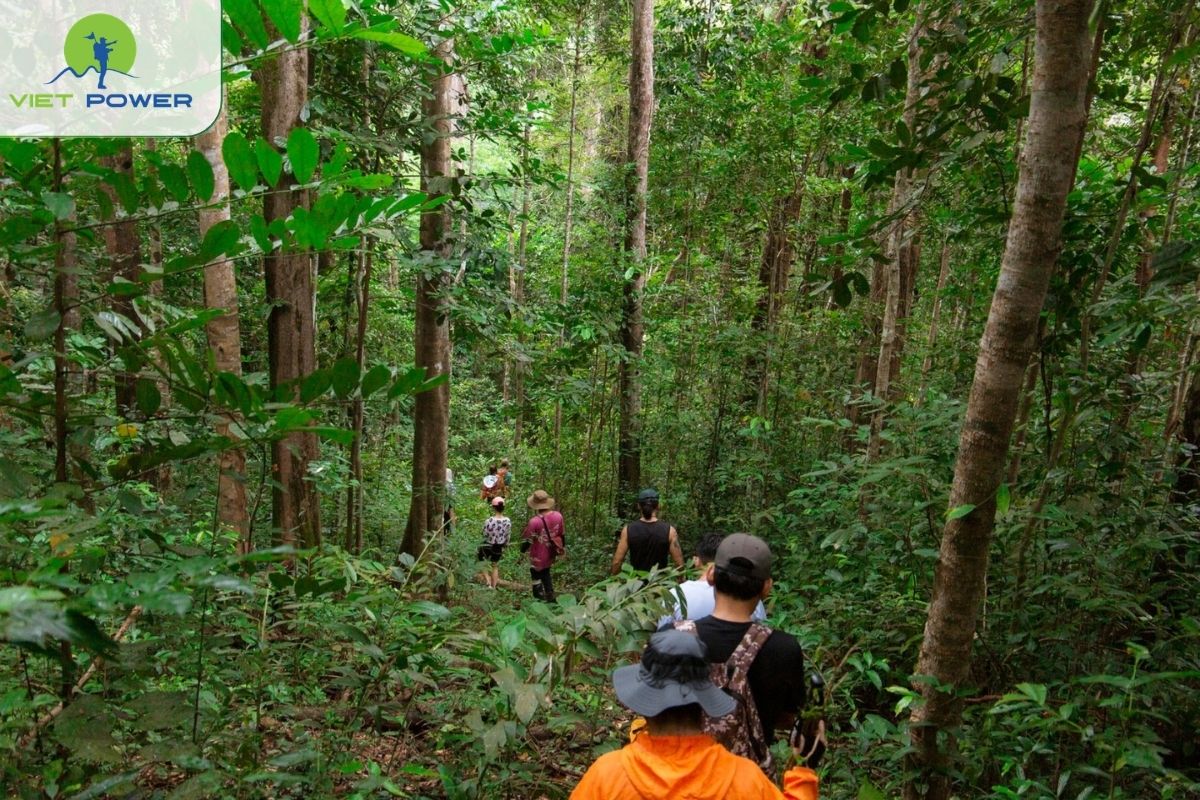
Gia Nghia tea hills are a gentle stop for travelers who want an easy photo location. After rain, the tea rows look greener, the air feels fresher, and the countryside atmosphere becomes calmer.
This place works well for families, couples, and travelers who want soft travel in Dak Nong instead of a heavy trekking day.
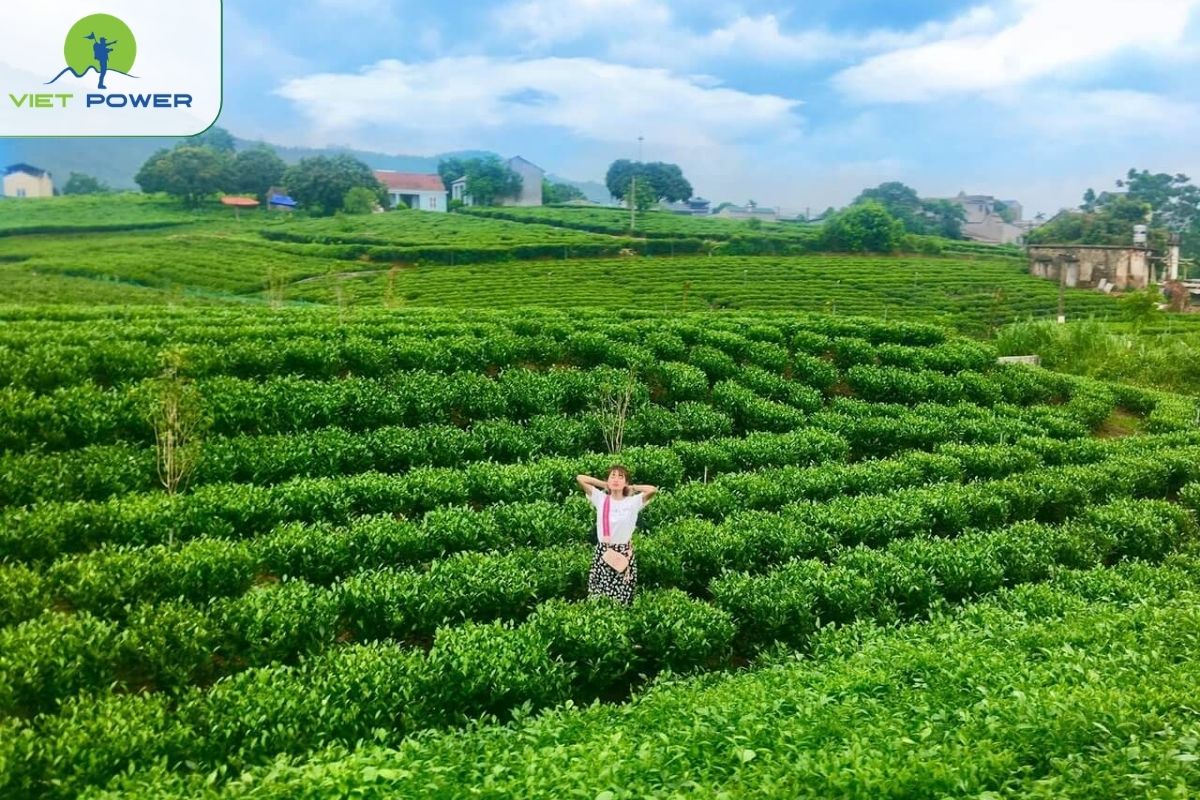
Dak Mil West Lake is a calm stop for families, older travelers, or groups that want an easy scenic break. The lake is suitable for walking, resting, taking photos, and watching sunset.
In an August itinerary, this spot works well after a long transfer or between waterfall routes. It offers a slower pace and easy access.
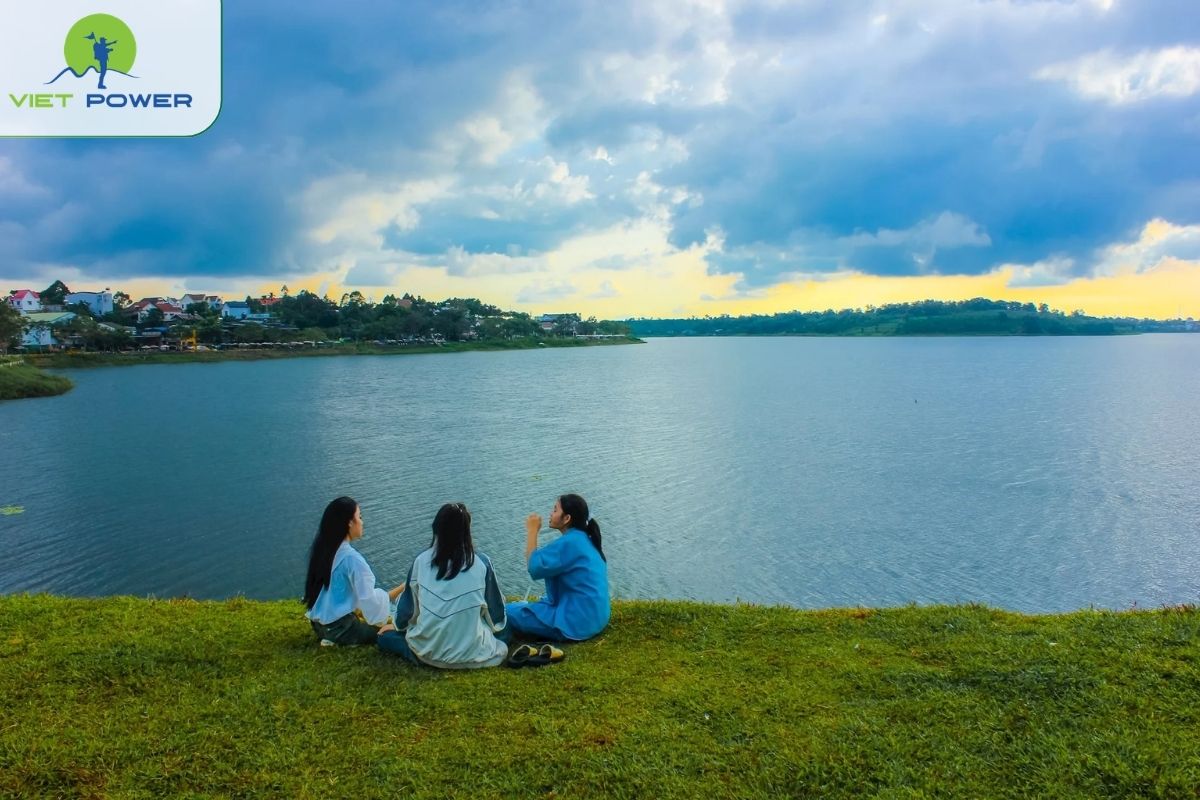
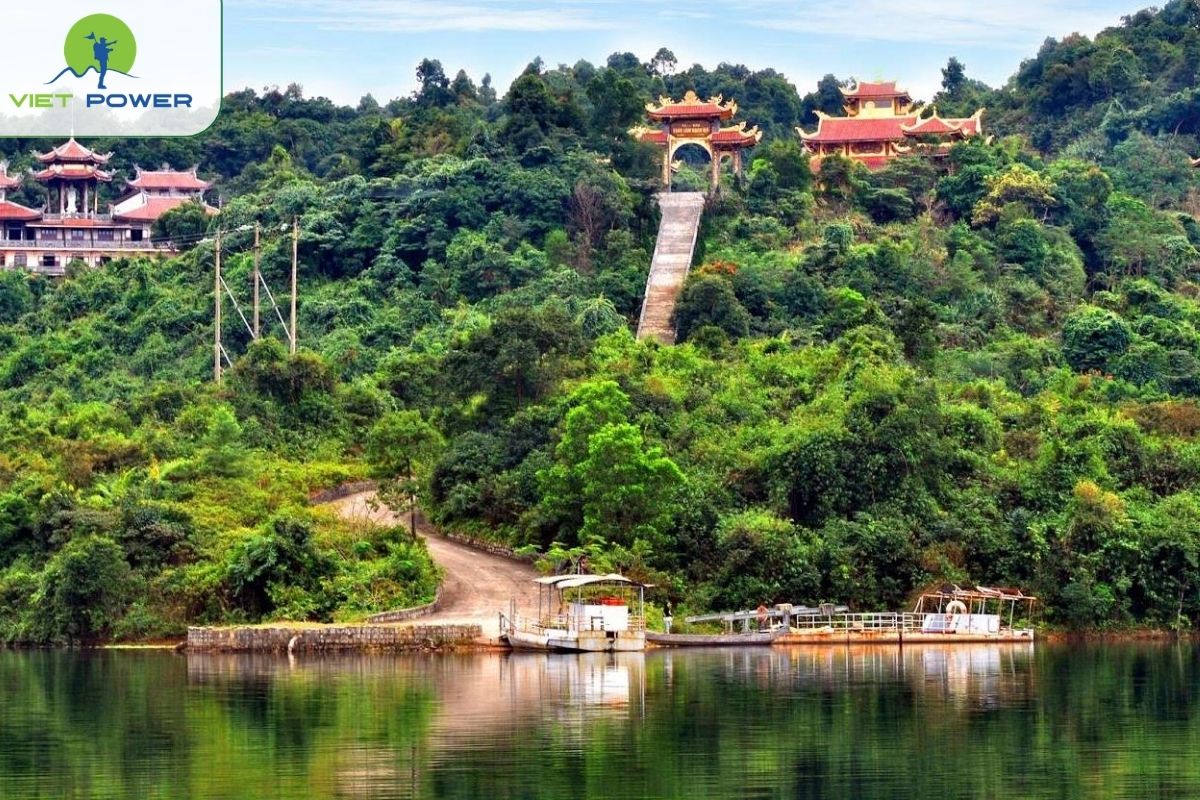
Truc Lam Dao Nguyen Zen Monastery is a peaceful stop for travelers who want a cultural and spiritual break. The monastery sits near pine forest scenery and creates a calm atmosphere after lake, cave, or waterfall activities.
Explore more posts within this topic and uncover more of what Vietnam has to offer:
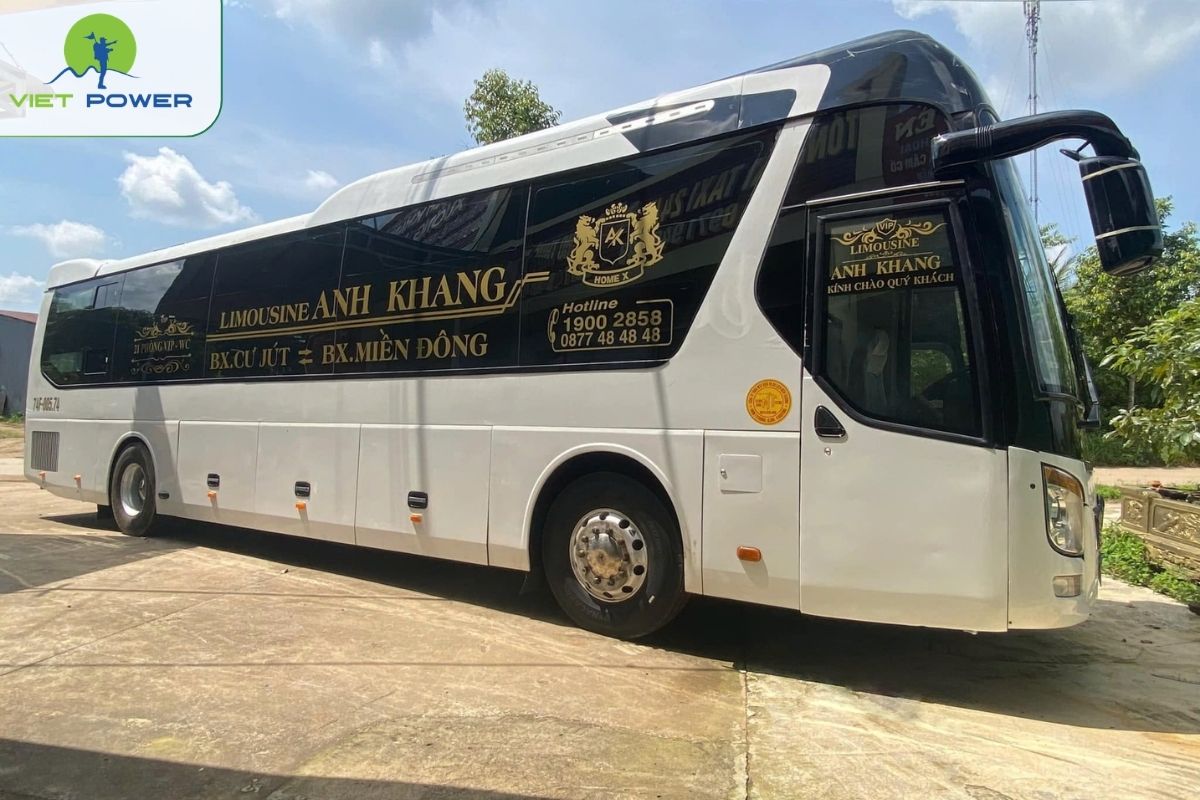
From Ho Chi Minh City to Dak Nong, the distance is about 250–260 km, with a road travel time of around 5–6 hours. The most common route is National Highway 14, passing through Binh Duong and Binh Phuoc before reaching Gia Nghia, the main travel hub of Dak Nong.
|
|
|
|
|
|
|
|
|
|
|
|
|
|
|
|
|
|
|
|
|
|
|
|
|
|
|
|
|
|
|
|
|
|
|
|
Continue exploring similar posts to learn more about Vietnam’s diverse attractions and unique travel experiences. Our Vietnam tourist attractions category is filled with ideas to help you plan your perfect adventure.
Knowing what to pack for Dak Nong in August helps travelers stay comfortable during rain, trekking, camping, and waterfall visits. Since August is part of the rainy season, trails can be wet, basalt rocks can become slippery, and evenings in the highlands may feel cool. For travelers combining Dak Nong with other Vietnam Tourist Attractions, packing light but practical gear will make the trip much easier.
For rainy weather
Bring a light rain jacket, compact umbrella, quick-dry clothes, and a waterproof bag for your phone, wallet, and travel documents. Afternoon rain can arrive quickly, so keep these items in your daypack instead of leaving them in the car.
For trekking and caves
Wear trekking shoes with a strong grip. For Krong No volcanic caves or Chu Bluk cave routes, bring a headlamp, helmet, long pants, and gloves if needed. Avoid smooth-soled shoes because wet basalt paths can be slippery after rain.
For camping
Prepare waterproof camping gear, especially a two-layer tent, sleeping mat, warm layer, flashlight, and insect repellent. If camping near Ta Dung Lake, set up early and keep clothes, cameras, and electronics inside dry bags.
For photography
Bring a dry bag, lens cloth, backup battery, and power bank. Mist, rain, and waterfall spray can affect cameras and phones, so clean your lens often and keep devices covered between shots.
For personal safety
Pack a small first-aid kit, personal medicine, reusable water bottle, and light snacks. A few simple rainy season travel tips also help: start outdoor activities early, check the weather before trekking, and avoid walking on wet rocks near waterfalls.
Dak Nong in August is a rewarding choice for travelers who want green highlands, full lakes, volcanic landscapes, powerful waterfalls, and meaningful cultural encounters. Among the most memorable Dak Nong Tourist Attractions, Ta Dung Lake, Dak Nong UNESCO Geopark, Krong No volcanic caves, and Dray Sap waterfall offer a rare mix of nature and adventure.
Start your Vietnam journey with Vietpower Travel and let our team craft a safe, inspiring, and well-paced Dak Nong tour for your next holiday in Vietnam
Please kindly send us your ideas about the tours: destinations, attractions, your group, hotel class... we will get back to you with details & best offers quickly. Surely, you will feel satisfactory!
 |
 |
 |
 |
 |
 |

.jpg) Customize Your Trip
Customize Your Trip
 Vietnam
 Thailand
 Laos
Laos Indonesia
 Cambodia
 Myanmar
 Indochina Tours