The best time to visit Da Nang, Hoi An and Hue together is February to May. All three sit close together on Vietnam's central coast and share the same climate, so one set of dates suits the whole route: warm, dry days, calm seas and the lowest flood risk of the year. The stretch to plan around is October to November, the peak of the rains, when Hoi An's riverside Old Town can flood. This guide is about timing a combined trip across the three cities — for a deep month-by-month breakdown of one city, see our Da Nang weather by month guide.
Aim for February to May. Across these months the central coast is dry and bright, humidity is easing and the sea is calm — ideal whether you plan to split time between Da Nang's beaches, Hoi An's lantern-lit lanes and Hue's imperial sites. Because the three cities lie within about 130 km of each other, they warm up and dry out on the same schedule, so you rarely have to compromise one for another.
If beaches lead your plan, April to July brings the warmest sea and longest sunny days. If you are here mainly for culture and walking, February and March are the most comfortable, with mild temperatures and clear light. The one window to approach with care is October to November, when heavy rain and the occasional typhoon reach the coast.
The table below shows how Da Nang, Hoi An and Hue line up across the year. The pattern is shared, but each city has one thing worth knowing before you lock in dates.
| City | Dry season (best) | Wettest months | Key note |
|---|---|---|---|
| Da Nang | Feb–May (beaches Apr–Jul) | Oct–Nov | Beach-led; hottest Jun–Jul; sea warmest Jun–Sep |
| Hoi An | Feb–May | Oct–Nov | Riverside Old Town can flood for a few days in peak rains |
| Hue | Mar–Apr | Sep–Dec | Wetter and cooler overall; winter evenings can dip near 20°C |
Read across and the message is simple: February to May works for all three. Hue's rains start a little earlier and run a little longer than Da Nang's and Hoi An's, which is the main reason spring — rather than autumn — is the safer choice for a route that includes the old capital.
Da Nang is the beach and base of the trio, best from February to May, with the warmest swimming from April to July. Summer days are hot, around 33–34°C, and busy with domestic holidaymakers, so mornings and late afternoons suit sightseeing while midday belongs to the beach or the pool. For the full monthly detail, our Da Nang weather by month guide breaks down temperatures and rainfall in depth.
Hoi An is loveliest from February to May, when the riverside lanes stay dry and the evenings are warm. A cultural highlight worth timing for is the Lantern Full Moon Festival, held around the full moon each lunar month (the 14th day of the lunar calendar), when the Old Town dims its electric lights and floats candle lanterns on the Hoai River. The trade-off comes in the peak rains: because the Old Town sits low beside the Thu Bon River, its riverside streets can flood for a few days during October and November — more on that below.
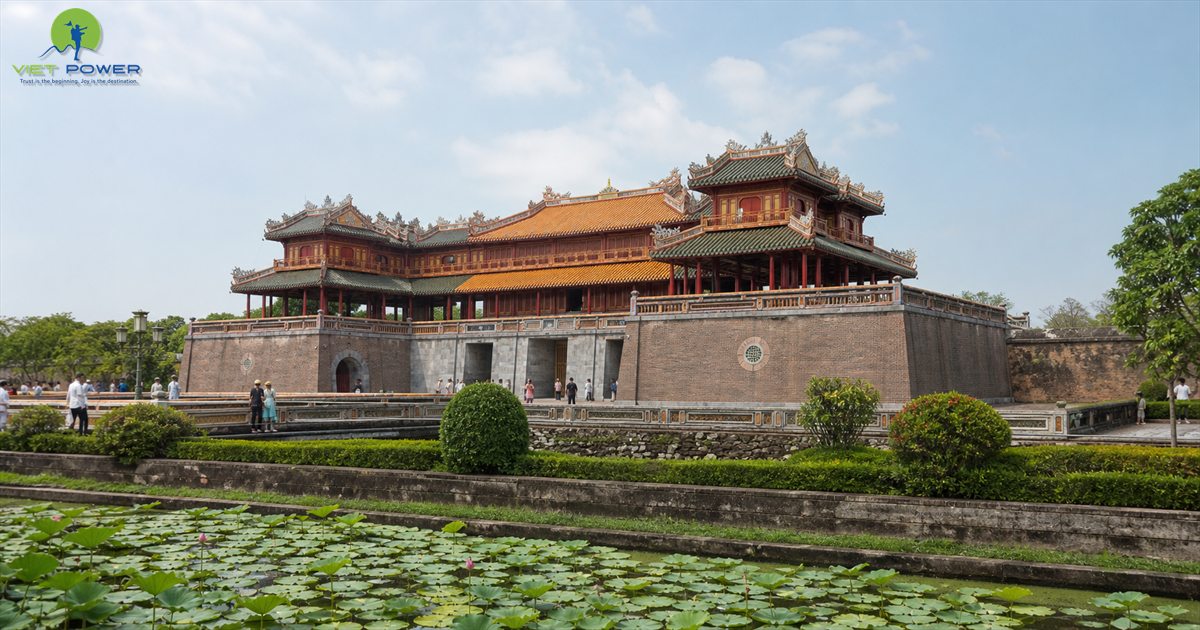
Hue is best in March and April, at the drier, brighter end of the central-coast spring. The old capital is generally wetter and more humid than Da Nang and Hoi An, and its rainy season runs longer, from around September into December. Winter evenings can feel genuinely cool, dipping near 20°C, so a light layer helps. Hue also hosts cultural and heritage festival events through the year, with a particular concentration in spring — a good reason to weight your dates toward March–April.
Chat with us on WhatsApp: +84 936 336 389 and we'll help you time a route across all three cities around the conditions you want.
Four to six days is enough to enjoy all three at a comfortable pace, and February to May is the ideal window to do it. The cities are close, so travel time between them is short and the same weather holds across the route.
Reverse the order if you are flying out of Hue rather than Da Nang. In the dry months this route runs smoothly; in October and November, keep a flexible day in hand for Hoi An in case the river is high.
The three cities are close enough that a single weather window covers the whole route. Da Nang has the region's international airport, which makes it the natural place to start or finish.
From Da Nang, Hoi An is about 45 minutes south by road, an easy transfer that many travellers do as a day trip or a short base change. Hue lies roughly 2.5 hours north, either over the scenic Hai Van Pass or through the tunnel below it, with a train line as an alternative. The pass is a highlight in its own right on a clear spring day, with long coastal views from the top. In the October–November rains, though, expect low cloud, reduced visibility and slower going, so allow extra time and treat the crossing as part of the plan rather than a quick hop.
Not necessarily — but October and November need the most care, mainly because of Hoi An. These are the wettest months on the central coast and the main typhoon window, and rain often arrives in heavy bursts rather than all day.
Hoi An's Old Town floods in most years during this peak: the Thu Bon River rises and the riverside lanes closest to the water, such as Bach Dang, go under first. In a typical year this means a day or two of shallow flooding that the town clears quickly; it is usually localised to the low-lying riverside, while the beaches and higher parts of town stay dry. If you travel then, the single best move is to book accommodation away from the riverfront, keep your Hoi An days flexible, and watch the forecast. The upsides of the low season are real too: fewer crowds, greener countryside and lower prices.
February to May is the best window for all three, with dry, warm days and the lowest flood risk. March and April are the safest overall, especially if Hue is on your route.
Not entirely. Hoi An's riverside Old Town can flood for a few days during the October–November peak, but flooding is usually short and localised. Stay away from riverfront lodging, keep your dates flexible, and check the forecast.
They share the same seasons, but Hue is generally wetter and more humid, and its rainy season runs longer, from around September into December. Hue also feels cooler in winter.
The Lantern Full Moon Festival takes place around the full moon each lunar month, on the 14th day of the lunar calendar, when the Old Town floats lanterns on the river and dims its lights.
Four to six days is comfortable: roughly two days each for Da Nang and Hoi An, and one to two for Hue, with short transfers between them.
Ready to time it well? Explore our Da Nang tours, Hoi An tours and Hue tours, or see all of our Central Vietnam tours. Chat with us on WhatsApp: +84 936 336 389 to plan a route built around your dates.
Vietpower Travel — a licensed international tour operator since 2009, guiding international travellers across Vietnam's coast, culture and cuisine. Trust is beginning, joy is the destination.
Please kindly send us your ideas about the tours: destinations, attractions, your group, hotel class... we will get back to you with details & best offers quickly. Surely, you will feel satisfactory!
 |
 |
 |
 |
 |
 |

.jpg) Customize Your Trip
Customize Your Trip



 Vietnam
 Thailand
 Laos
Laos Indonesia
 Cambodia
 Myanmar
 Indochina Tours